
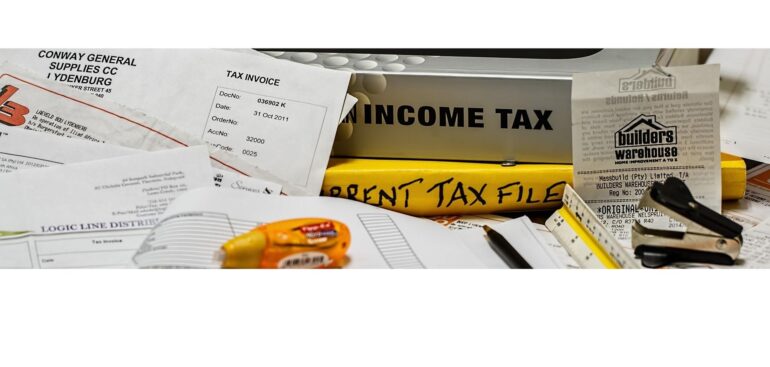
Making Tax Digital expands

Self-employed people and landlords with an income between £20,000 and £30,000 will be required to use Making Tax Digital (MTD) from 6 April 2028. This will bring a further 900,000 low-income taxpayers under the MTD regime.

HMRC previously stated that those with an income between £20,000 and £30,000 would be mandated before the end of this parliament. The specific start date of April 2028 is therefore earlier than expected.

Timing

Taxpayers with an income of more than £50,000 will be mandated from 6 April 2026 for the 2026/27 tax year. The deadline for finalising MTD obligations for this year is not until 31 January 2028, which doesn’t give HMRC much time to sort out any problems before the new cohort of taxpayers join the system in April 2028. At present:

  • Unrepresented taxpayers with an income between £20,000 and £30,000 are going to need software that is either free or low-cost.
  • The availability of such software is quite limited, although more options might become available by April 2028.

The relevant income for meeting the £20,000 threshold will be that for the 2026/27 tax year.

In the future, the MTD threshold might be lowered again as the government has stated there are plans to expand the regime to include those with an income below £20,000.

Self assessment

HMRC has also announced that the year-end self assessment tax return must be submitted using MTD or other suitable software. It was previously thought that taxpayers would be able to use HMRC’s online service, but this is not going to be the case.

When selecting suitable MTD software, it is important to make sure it can also deal with the tax return submission. If the MTD software cannot do this, a different software package will be required to complete the year-end requirement.

HMRC’s list of software that’s compatible with MTD for income tax can be found here.

Spring Statement: The magic of £9.9 billion

There were no tax increases in the Chancellor’s Spring Statement (upgraded from an initial Spring Forecast), but that might just be pain deferred.

Before becoming Chancellor, Rachel Reeves set out a new goal for the public finances, now badged the ‘Stability Rule’. In simple terms, this requires the Government should at least match its day-to-day expenditure with what it receives in tax and other revenue. In 2024/25, the Office for Budget Responsibility (OBR) projects there will be a shortfall under this rule (technically a current budget account deficit) of £60.7 billion. Following past government tradition of fiscal targets, the Chancellor has set a five-year goal taking us to 2029/30.

When Rachel Reeves presented her Budget last October, the OBR projected that she would meet her Stability Rule with £9.9 billion to spare. However five months later, the OBR recalculated the margin (often called headroom) in preparation for the Spring Statement and concluded that, with no changes, the Rule would be missed by £4.1 billion – a £14 billion reversal.

Given that the margin of £9.9 billion (about 0.7% of total government expenditure) proved inadequate last time, it is surprising that the new headroom figure is also £9.9 billion. This is despite the raft of Spring Statement measures – mostly spending cuts. The apparent circularity of the Spring Statement process has prompted speculation that the large cuts to welfare benefits were tailored to fit the Stability Rule, rather than wholly founded in encouraging more people into work.

The problem with maintaining a small £9.9 billion headroom is that when the OBR’s next assessment arrives in the autumn, there is a similar risk of missing the Stability Rule once again. The OBR’s judgement day will coincide with the Chancellor’s one ‘fiscal event’ of the year – the Autumn Budget. A second miss would probably see Reeves turn to tax increases rather than more spending cuts to recover the situation.

There were already signs of preparation for such a move in the Spring Statement. For example, hidden in the main document was a comment about reviewing the balance between cash and shares in Individual Savings Accounts (ISAs). Reducing the amount that could be placed in cash ISAs would yield extra revenue, because it would mean less tax relief being given. 

It seems likely that, as happened in 2024, speculation about tax rises will get underway before summer begins. Taking time to focus on your financial planning over the next few months could be more important than ever. You have been warned.